Blogging for Beginners: A Complete Guide to Starting Strong
In the digital age, blogging has evolved from a casual hobby into a powerful tool for communication, branding, and income generation. Whether you want to share your ideas, promote your business, or build a personal brand, blogging offers endless possibilities. Yet, for beginners, the journey can feel overwhelming — from choosing a niche to mastering SEO and content strategy. This guide breaks down everything you need to know to start blogging confidently and effectively.
Understanding What Blogging Really Is
At its core, blogging is about sharing valuable information, insights, or stories through regularly updated web content. A blog can be personal, professional, educational, or promotional. It’s not just about writing — it’s about connecting with readers, solving problems, and building trust. Successful bloggers understand that every post should serve a purpose: to inform, inspire, entertain, or persuade.
Step 1: Choose Your Niche Wisely
Your niche defines your blog’s identity. It’s the specific topic or area you’ll focus on — such as travel, technology, health, finance, or lifestyle. Choosing a niche helps attract a targeted audience and makes your content more consistent.
When selecting a niche, consider three key factors:
- Passion: Pick something you genuinely enjoy writing about.
- Knowledge: Choose a topic you understand or are willing to learn deeply.
- Demand: Research whether people are actively searching for content in that area.
Tools like Google Trends, Ahrefs, or SEMrush can help you analyze search volume and competition.
Step 2: Set Up Your Blog
Once you’ve chosen your niche, it’s time to create your blog. You can use platforms like WordPress, Blogger, or Wix. WordPress is the most popular choice because it offers flexibility, plugins, and customization options.
Here’s what you’ll need:
- Domain Name: Your blog’s web address (e.g., www.yourblog.com). Choose something short, memorable, and relevant.
- Hosting Service: A provider that stores your website online. Popular options include Bluehost, Hostinger, and SiteGround.
- Design Theme: Select a clean, responsive theme that looks good on both desktop and mobile.
Your blog’s design should reflect your personality or brand. Keep it simple, easy to navigate, and visually appealing.
Step 3: Create Quality Content
Content is the heart of blogging. It’s what attracts visitors, builds credibility, and keeps readers coming back. For beginners, focus on creating high‑quality, original, and useful content.
Here are some tips:
- Write in a conversational tone — make readers feel you’re talking directly to them.
- Use headings, bullet points, and short paragraphs for readability.
- Add visuals like images, infographics, or videos to make posts engaging.
- End each post with a clear takeaway or call‑to‑action.
Consistency matters more than perfection. Aim to publish regularly — whether weekly or biweekly — and stick to your schedule.
Step 4: Learn Basic SEO
Search Engine Optimization (SEO) helps your blog appear in Google search results. Without SEO, even great content might go unnoticed.
Start with these basics:
- Keywords: Use relevant keywords naturally in your titles, headings, and content.
- Meta Descriptions: Write short summaries for each post to attract clicks.
- Internal Links: Link to other posts within your blog to keep readers engaged.
- Backlinks: Encourage other websites to link to your content — this boosts authority.
Plugins like Yoast SEO or Rank Math can simplify optimization for beginners.
Step 5: Promote Your Blog
Publishing content is only half the job — promotion is what brings readers. Share your posts on social media platforms like Facebook, Instagram, LinkedIn, and Twitter. Join online communities or forums related to your niche.
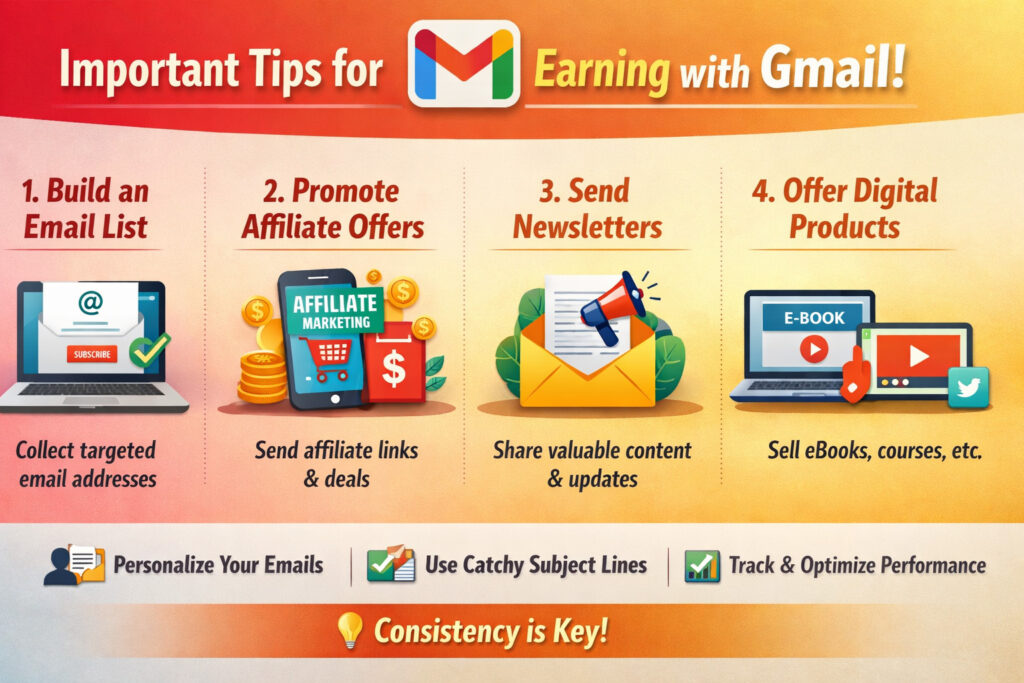
You can also use email marketing to build a subscriber list. Send newsletters with updates, exclusive content, or special offers. Collaborating with other bloggers or guest posting on popular sites can further expand your reach.
Step 6: Monetize Your Blog
Once your blog gains traction, you can start earning from it. Common monetization methods include:
- Google AdSense: Display ads and earn per click or impression.
- Affiliate Marketing: Promote products and earn commissions on sales.
- Sponsored Posts: Collaborate with brands for paid content.
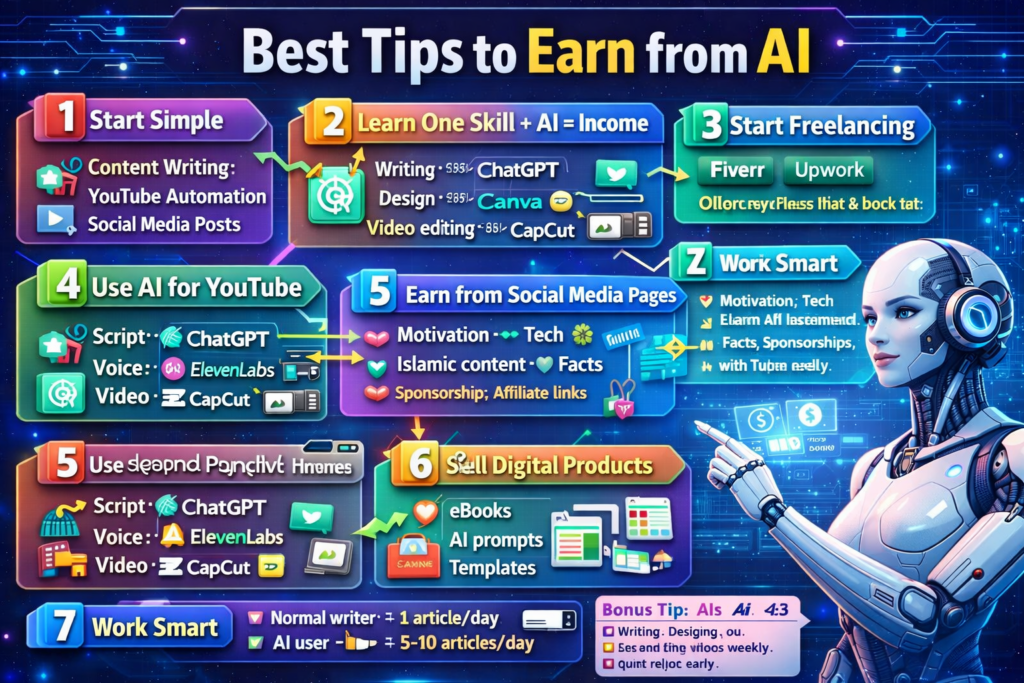
- Digital Products: Sell e‑books, courses, or templates.
Remember, monetization takes time. Focus first on building trust and traffic — income will follow naturally.
Step 7: Track and Improve
Use analytics tools like Google Analytics to monitor your blog’s performance. Track metrics such as page views, bounce rate, and user engagement. Identify which posts perform best and why.
Continuous improvement is key. Update old posts, experiment with new formats, and listen to reader feedback. Blogging is a learning process — every post teaches you something new.
Common Mistakes Beginners Should Avoid
- Publishing irregularly or abandoning the blog after a few posts.
- Copying content instead of creating original ideas.
- Ignoring SEO or analytics.
- Writing only for yourself instead of your audience.
Avoiding these pitfalls will help you grow faster and maintain credibility.