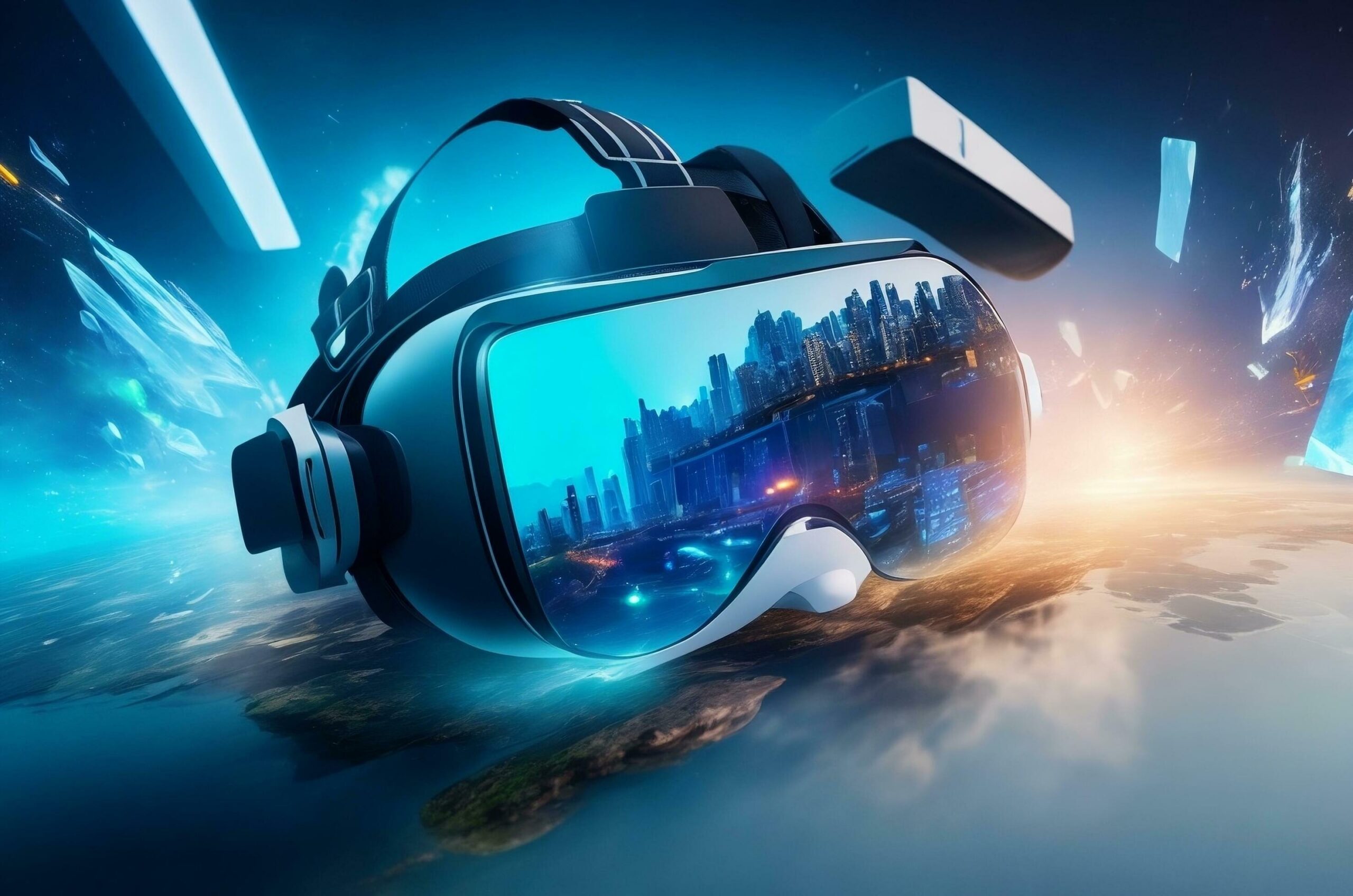
Virtual reality (VR) has rapidly evolved from a futuristic concept into a mainstream technology that is reshaping entertainment, education, healthcare, and professional industries. At the heart of this transformation lies the VR headset—an immersive gadget designed to transport users into digital worlds where imagination meets reality. These devices are more than just screens strapped to the face; they are gateways to interactive environments that engage sight, sound, and even movement, creating experiences that feel astonishingly real.
🎮 The Rise of VR Headsets
The journey of VR headsets began decades ago with bulky prototypes that offered limited graphics and clunky controls. Today, sleek and lightweight designs have replaced those early models, offering high‑resolution displays, advanced motion tracking, and wireless connectivity. Companies like Meta (formerly Oculus), Sony, HTC, and Valve have pioneered consumer‑friendly devices, while newer entrants continue to push boundaries with innovative features.
The popularity of VR headsets has surged thanks to gaming, where players can step inside their favorite titles and interact with environments in ways traditional consoles cannot match. However, the appeal of VR extends far beyond gaming, making headsets indispensable tools in multiple fields.
🖥️ How VR Headsets Work
A VR headset combines several technologies to create immersive experiences:
- Display Screens: High‑resolution OLED or LCD panels provide crisp visuals, often with refresh rates above 90Hz to reduce motion blur.
- Lenses: Special lenses magnify and reshape the images, creating a wide field of view that mimics natural vision.
- Motion Tracking: Sensors track head movement, ensuring the virtual environment shifts realistically as the user looks around.
- Controllers and Hand Tracking: Handheld devices or built‑in sensors allow users to interact with objects in the virtual world.
- Audio Systems: Spatial sound enhances immersion, making users feel surrounded by the environment.
Together, these components trick the brain into perceiving digital simulations as real, blurring the line between physical and virtual spaces.
🌍 Applications Beyond Gaming
While gaming remains the most recognized use of VR headsets, their potential stretches across diverse industries:
- Education: Students can explore historical landmarks, dissect virtual organisms, or conduct chemistry experiments in safe, simulated labs.
- Healthcare: Surgeons practice complex procedures in VR before entering the operating room, while therapists use VR environments to treat phobias and anxiety.
- Workplace Training: Pilots, engineers, and military personnel benefit from realistic simulations that prepare them for high‑risk scenarios.
- Architecture and Design: Professionals visualize buildings in 3D, walking through spaces before construction begins.
- Social Interaction: Virtual meeting platforms allow people to connect in shared digital environments, fostering collaboration across distances.
These applications highlight the versatility of VR headsets as tools for learning, healing, and connecting.
⚙️ Key Features to Look For
When choosing a VR headset, several features determine the quality of the experience:
- Resolution and Refresh Rate: Higher resolution reduces pixelation, while faster refresh rates minimize motion sickness.
- Field of View (FOV): A wider FOV creates a more natural and immersive perspective.
- Comfort and Ergonomics: Lightweight designs with adjustable straps and cushioning ensure longer sessions without discomfort.
- Tracking Accuracy: Precise sensors enhance realism by capturing subtle movements.
- Content Ecosystem: Access to a wide range of apps and games enriches the headset’s value.
- Connectivity: Wireless options provide freedom of movement, while tethered devices often deliver higher performance.
Balancing these factors helps users select a headset that suits their needs, whether for casual entertainment or professional use.
🚀 The Future of VR Headsets
The future of VR headsets promises even greater immersion. Developers are experimenting with:
- Eye Tracking: Allowing systems to adjust focus and rendering based on where the user looks.
- Haptic Feedback: Gloves and suits that simulate touch, adding a tactile dimension to VR.
- Mixed Reality Integration: Combining VR with augmented reality (AR) for hybrid experiences.
- Smaller, Lighter Designs: Advances in optics and battery technology aim to make headsets more comfortable and portable.
- Cloud‑Powered VR: Streaming complex simulations directly from powerful servers, reducing the need for expensive hardware.
These innovations will expand VR’s role in everyday life, making headsets essential gadgets for entertainment, work, and social interaction.
🎉 The Human Impact of Immersive VR
Beyond technical specifications, VR headsets have a profound impact on human experience. They foster empathy by allowing users to step into another person’s perspective, whether walking through refugee camps or experiencing life with a disability. They encourage creativity by offering limitless canvases for artists and designers. They also promote togetherness, enabling families and friends to share adventures in virtual worlds even when physically apart.
However, challenges remain. Motion sickness, high costs, and limited accessibility can hinder widespread adoption. Ethical concerns about over‑immersion and data privacy also require careful consideration. Addressing these issues will be crucial as VR becomes more integrated into daily life.
✨ Conclusion
VR headsets are more than gadgets; they are portals to immersive experiences that redefine how we play, learn, work, and connect. From thrilling games to life‑saving medical simulations, these devices showcase the transformative power of technology. As innovation continues, VR headsets will become lighter, smarter, and more accessible, bringing virtual reality closer to mainstream adoption. For now, they stand as symbols of human creativity and technological progress—inviting us to step beyond the limits of reality and into worlds shaped by imagination.